What Is Hojicha?
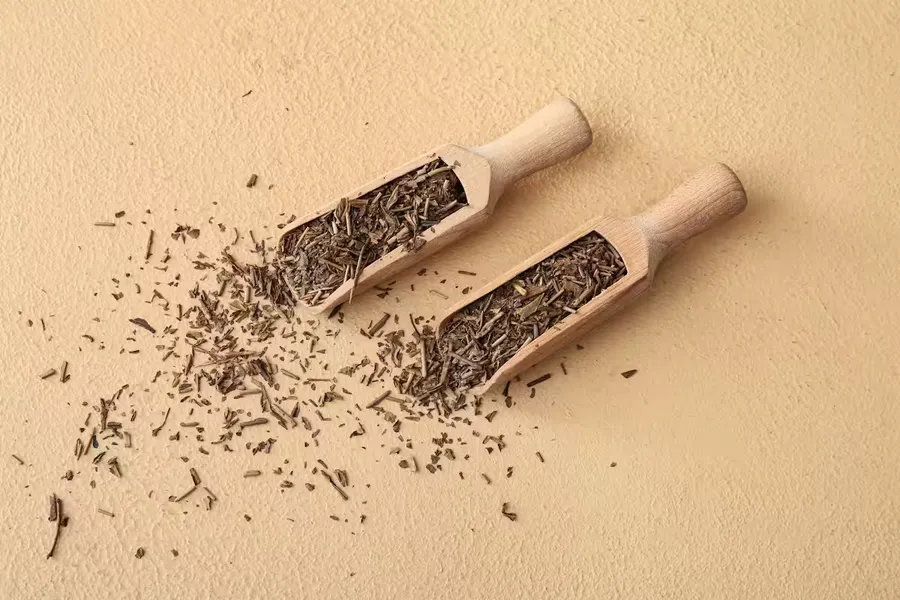
Hojicha is a Japanese green tea roasted at high heat, around 200°C, traditionally in a porcelain pot. This roasting gives it its distinctive reddish-brown colour and lowers its caffeine and catechin content.
“Hoji” means “to roast” in Japanese, and “cha” means tea.
Why Drink Hojicha?
In Japan, hojicha is traditionally drunk in the evening and after meals, as its roasted, mellow taste and low caffeine make it an easy tea to end the day with.
However, it can be drunk at any time of the day and year.
Despite its colour, hojicha is a green tea. After harvest the leaves are steamed, which stops the natural oxidation, as with every Japanese green tea. The roasting only comes afterwards.
As a result, hojicha keeps the character of a green tea, with a gentler, toasty and nutty flavour.
Different Types of Hojicha
There are different types of hojicha. Its main characteristic comes from its availability in both powder and loose leaves.
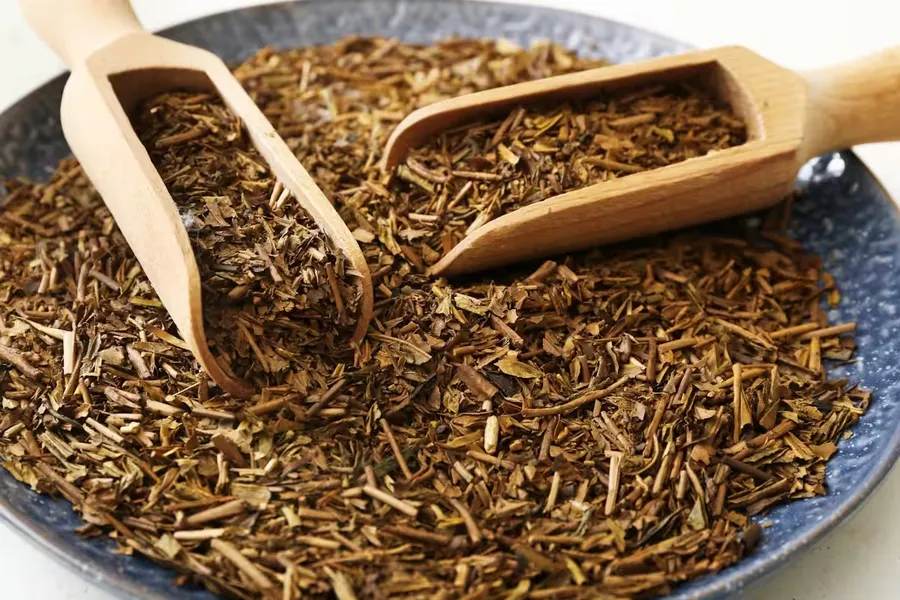
Besides that, hojicha often comes in three types in leaves (light roast, medium roast, dark roast) and it can even be mixed with roasted rice, taking the name of hojicha genmai.
Which Cultivar Is Used for Hojicha?
The most commonly used cultivar for Hojicha is Yabukita, though some hojicha are also made from the Gokou cultivar.
How Is Hojicha Produced?
Hojicha begins its production process as bancha or sencha.
After harvest, the leaves are steamed to stop oxidation, then rolled and dried. They are then roasted at around 200°C, traditionally in a porcelain pot. That’s when the bancha (or sencha) becomes hojicha.
Some of it is milled into powder while the rest is packed as loose leaves.
How to Brew Hojicha?
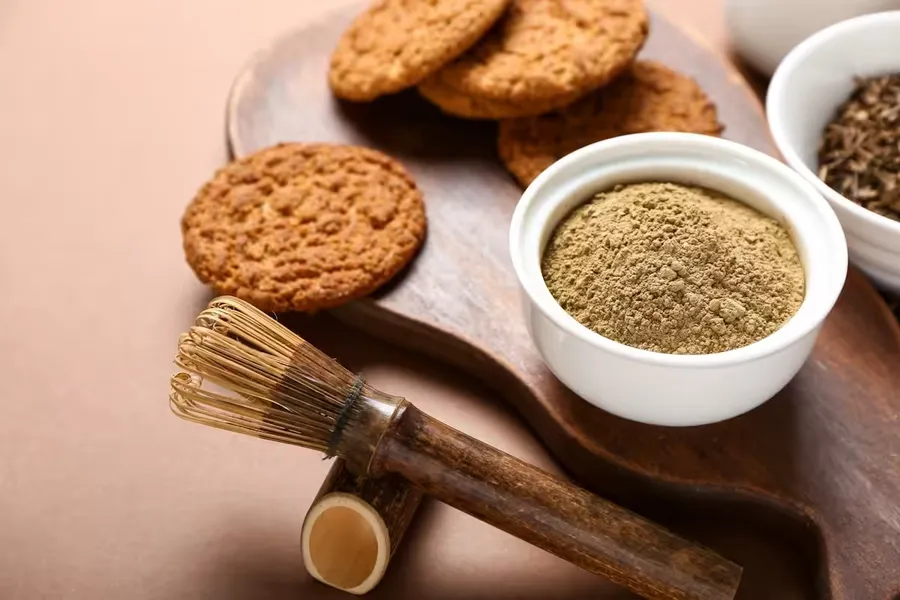
Loose leaf hojicha is usually brewed with water at 90 to 95°C for 30 seconds to 1 minute. Its low bitterness makes it forgiving.
Hojicha powder is whisked with a little water at about 80°C, then topped up with water or milk, as for a hojicha latte.
History of Hojicha
No one knows where hojicha came from. It seemed to have appeared in Kyoto in the 1920s.
The legend says that the development of machine-harvested tea in the early 20th century led to significant waste. An unknown merchant decided to roast this unusable tea to salvage it, inventing hojicha in the process.
Conclusion
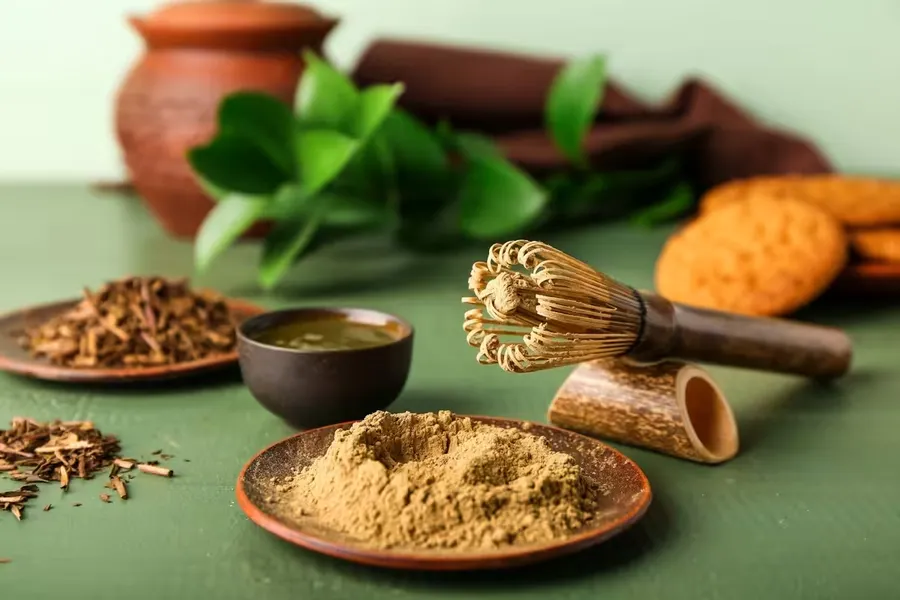
Hojicha is a roasted Japanese green tea, available in both powder and leaf form. Low in caffeine, it is traditionally drunk in the evening. Its reddish-brown colour comes from roasting at high heat, which gives it its characteristic notes of nuts, caramel and chocolate. Browse our wholesale hojicha to find the right one for your business.
Request a Sample
Curious about the rich, roasted flavours of our premium hojicha? Order a 20 g sample of our medium roast hojicha powder from the shop, or contact us if you have specific requests and we’ll be happy to tailor our offer to your business.
Request a sample