
No longer confined to the domestic sphere of Japanese households, hojicha has emerged as a critical driver within the broader green tea segment, specifically catering to the global shift toward functional, low-caffeine, and sensory-rich beverage experiences.
By the mid-point of the current decade, the market has matured from a niche specialty offering into a primary alternative to both traditional green teas and high-caffeine coffee products, buoyed by sophisticated processing techniques and a radical realignment of consumer health priorities.
Market Valuation and Macroeconomic Trajectory
The economic landscape of the hojicha market in 2026 is characterized by robust growth and high-margin diversification. As of the end of 2024, the global hojicha drinks market was valued at approximately USD 1.12 billion to USD 1.26 billion. Entering 2026, the sector is maintaining a Compound Annual Growth Rate (CAGR) of between 8.3% and 8.7%, a trajectory that outpaces the wider green tea market’s growth of 6.6% to 6.8%. This acceleration is projected to propel the hojicha drinks market to a valuation exceeding USD 2.13 billion by the early 2030s, with some forecasts suggesting a value as high as USD 2.65 billion by 2033.
This growth is fundamentally different from the generic tea market, which reached over USD 150 billion in 2025 and is expanding at a steady 6.13%. Hojicha’s higher growth rate is a direct result of its “premiumization” effect. While traditional green tea is often treated as a volume-driven commodity, hojicha (particularly in its powdered and organic leaf forms) is positioned as a specialty ingredient. The following table illustrates the comparative growth and valuation metrics defining the market in 2026.
| Market Segment | 2024 Base Valuation (USD) | Forecasted CAGR (2025–2033) | Projected Value by 2033 (USD) | Market Maturity Stage |
| Global Hojicha Drinks | $1.26 Billion | 8.7% | $2.65 Billion | High-Growth/Emerging |
| Global Green Tea | $26.00 Billion | 6.57% | $28.83 Billion | Mature/Expanding |
| Global Tea (All) | $150.00 Billion (2025) | 6.13% | $214.85 Billion (2031) | Mature |
| Bubble Tea Segment | $3.90 Billion (2023) | 7.5% | $6.50 Billion (2030) | High-Growth |
The distribution of revenue in 2026 reveals a significant geographic concentration. The Asia-Pacific region remains the dominant force, accounting for more than 63% of the total hojicha revenue in 2024. However, the 2026 landscape shows North America as the fastest-growing market, driven by a rapid adoption of Japanese tea-based lattes in urban centers and an expanding ready-to-drink (RTD) sector. Europe, led by a sophisticated demand for organic and single-origin stories in markets like Germany, France, and Belgium, is experiencing steady, value-driven growth.
Sublimation of Caffeine and Bitterness Reduction
A central pillar of hojicha’s marketability is its low caffeine content. During the roasting process, caffeine molecules undergo sublimation, transitioning from a solid state to a gas. This reduction is significant: a standard cup of hojicha contains approximately 7.7 mg to 15 mg of caffeine, whereas coffee typically contains 95 mg and matcha approximately 70 mg. The roasting process also effectively “burns away” the astringent catechins and tannins found in traditional green tea, resulting in a brew that is remarkably smooth and lacks the bitterness often associated with unroasted leaves.
The Maillard Reaction and Pyrazine Synthesis
The distinct aroma of hojicha, characterized by toasted, nutty, and caramel-like notes, is the product of the Maillard reaction. This chemical interaction between amino acids and reducing sugars under high heat produces pyrazines, the same aromatic compounds found in roasted coffee, toasted nuts, and baked bread.
| Compound | Green Tea (Sencha) | Hojicha (Roasted) | Physiological/Sensory Effect |
| Caffeine | ~30–50 mg | ~7–15 mg | Reduced stimulation; sleep-friendly |
| Pyrazines | Negligible | High | Nutty, smoky aroma; stress relief |
| L-Theanine | High | Maintained | Promotes relaxation and focus |
| Catechins | High | Moderate/Low | Antioxidant benefits with low bitterness |
Crucially, while bitterness is reduced, the roasting process is calibrated to retain a substantial portion of the tea’s antioxidant profile. Polyphenols and L-theanine (the amino acid responsible for cognitive focus and relaxation) remain largely intact, allowing hojicha to be marketed as a “calm energy” beverage. This chemical balance is a primary driver of the “Me Time” and “Vitality & Longevity” consumer trends observed in 2026, where drinkers seek functional benefits without the acidity or jitters of high-caffeine alternatives.
Diversification of Product Formats
In 2026, the hojicha market has moved far beyond the traditional loose-leaf format. Manufacturers have responded to the diverse needs of the hospitality, retail, and industrial sectors by creating a spectrum of delivery systems.
The Rise of Hojicha Powder
Hojicha powder has become the most significant growth segment within the product category. Following the “matcha model,” finely milled hojicha allows for easy integration into lattes, smoothies, and baked goods without the need for traditional brewing. Google Trends analysis for 2026 shows that search interest for “hojicha powder” peaked in early January 2026, suggesting it has become a staple for post-holiday health resolutions and winter comfort. Powdered formats also facilitate “stable color and flavor” for commercial applications, which is essential for cafe chains requiring consistency across multiple locations.
Loose Leaf and Specialized Roasts
While powder dominates culinary use, loose-leaf hojicha remains the preference for the traditional and premium market segments. In 2026, consumers are increasingly distinguishing between different types of leaf bases:
- Bancha Hojicha: Made from mature leaves, providing a robust, woody flavor and the lowest caffeine levels.
- Sencha Hojicha: Utilizes younger leaves, offering a slightly sweeter, more refined roasted profile.
- Kuki Hojicha (Shiraore): Crafted from roasted stems and twigs. This format is prized for its intense aroma and naturally sweet, cereal-like notes.
Ready-to-Drink (RTD) and Convenience Formats
The RTD segment is expanding rapidly, particularly in urban Asia-Pacific and North American markets. Brands like Ito En, Suntory, and Kirin are innovating with unsweetened, bottled hojicha that caters to the “on-the-go” consumer. Furthermore, “snap-chilled” single-origin RTDs and nitro-infused canned hojicha are bridging the gap between convenience and specialty cafe quality. Tea bags also remain a stable segment, particularly for “off-trade” retail in supermarkets, where heat-sealed, plastic-free paper bags are the standard in 2026.
Consumption Trends in the Specialty Coffee and Hospitality Sectors
The year 2026 marks a decisive shift in how specialty coffee shops view their tea menus. Hojicha has emerged as the primary alternative to matcha, particularly as supply constraints and rising prices for high-quality matcha have forced operators to look for alternatives.
The “Matcha Alternative” Strategy
Specialty cafes are increasingly incorporating “Hojicha Lattes” and “Hojicha Cortados” into their permanent menus. Unlike matcha, which can be polarizing due to its vegetal and umami-heavy profile, hojicha’s roasted and nutty notes are more familiar to coffee drinkers. This “flavor bridge” makes it an easier entry point for consumers looking to reduce their coffee intake.
In 2026, these beverages are no longer simple milk-and-tea mixtures. Baristas are utilizing techniques from mixology and cocktail culture to create “theatre and flair”. Examples of trending 2026 formats include:
- Layered Tonics: Combining hojicha concentrate with tonic water, citrus (such as yuzu or lemon), and herbal garnishes.
- Cloud Hojicha: Utilizing cold foam (often protein-infused) to create a multi-textured iced beverage.
- Roasted Genmaicha Shakes: A fusion of roasted tea and toasted rice, blended into a high-margin dessert-style beverage.
- Coffee and Tea Hybrids: Known in some markets as “Yuenyeung” variants, these drinks blend hojicha with light-roast espresso to offer a complex, layered caffeine experience.
Fine Dining and Culinary Integration
The influence of hojicha has permeated the highest levels of gastronomy. Michelin-starred chefs in 2026 are treating tea not just as a beverage but as a “functional cooking ingredient”. In China and urban Europe, hojicha is used to add “tannins and aroma without weight” to complex dishes.
- Smoking Techniques: Hojicha leaves are being used to smoke poultry (duck) and seafood, providing a delicate char that is less aggressive than traditional wood smoke.
- Savory Pairings: Hojicha-infused oils and vinegars are used to finish grilled prawns or shellfish, where the tea’s bitterness provides a structural counterpoint to the natural sweetness of the seafood.
- The “Adult Kids’ Menu”: High-end restaurants are tapping into “Elevated Nostalgia” by serving hojicha-infused pizza rolls, mini hot dogs with hojicha-mustard, and “hojicha clouds” for dessert, blending sophisticated flavor with juvenile formats.
Demographic Segmentation and Consumer Psychographics
The 2026 hojicha consumer is defined by a paradox: a desire for “high-intensity” sensory experiences coupled with a “low-impact” health and environmental footprint.
Gen Z and Millennials: The “Identity” Consumers
Younger cohorts (Gen Z and Millennials) are the primary drivers of the specialty tea trend. For these groups, consumption is a form of “identity signaling”. They are “chronically online” yet “eager for real-world interaction,” making them the ideal audience for visually striking hojicha lattes that perform well on social media platforms like TikTok.
Psychographically, these consumers are moving toward “Soft Clubbing”—socializing during the day in cafes rather than late at night in alcohol-driven environments. Hojicha’s low-caffeine, high-flavor profile fits perfectly into this shift toward “Relaxed Sociability” and “Guilt-Free Indulgence”.
The Aging Population and Holistic Wellness
In 2026, the global aging population (particularly in Japan, where those over 65 are expected to reach over 35% of the population by 2040) is a massive market for hojicha. These consumers prioritize “Vitality & Longevity” and are highly loyal to brands that emphasize “Product Safety & Quality Assurance” (81% of consumers) and “Healthier Products” (77%).
Hojicha’s low acidity and low caffeine content make it a staple for maintaining hydration and relaxation in older age groups.
The “Movers” and Suburban Wellness
Data from 2026 suggests that “Movers” (individuals who have recently relocated due to life events or remote work) are a high-spend demographic. These consumers are in-market for premium household goods and new wellness rituals. Hojicha brands that target this 6–8 week “sweet spot” of relocation intent can successfully integrate their products into the new home routines of these affluent spenders.
Global Supply Hubs and Regional Nuances
The 2026 supply chain for hojicha is undergoing a transition from a Japan-centric model to a more globalized, yet authenticity-focused, network.
Japan: The Core of Authenticity and Innovation
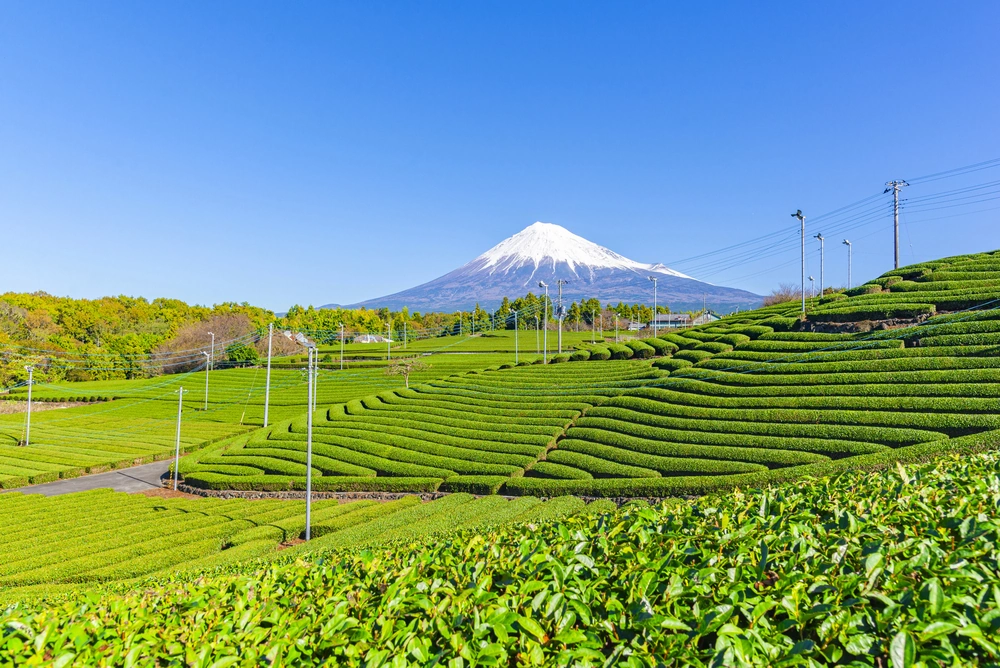
Kyoto remains the spiritual home of hojicha, with the Uji region producing the “No. 1 brand” of roasted tea. However, Shizuoka has emerged as a leader in “Eco-Friendly Teas” through the CHAGUSABA farming method. This traditional method uses grass mulch to protect biodiversity and is recognized as a Globally Important Agricultural Heritage System (GIAHS). This “story of origin” is a critical selling point in the 2026 market, particularly for European consumers who value “authenticity and story”.
Emerging Production Centers
As global demand scales, other regions are entering the hojicha space, often focusing on organic and value-added exports:
- Vietnam: Projected to be one of the top three manufacturing hubs in Asia by 2026, the Vietnamese tea industry is shifting toward organic varieties and “regional specialties” to establish a new global standing. Northern provinces like Ha Giang and Thai Nguyen are becoming centers for organic green tea production suitable for roasting.
- India: The launch of decaffeinated green tea powders by the Tea Research Association in 2025 has paved the way for a more robust roasted tea market in the subcontinent. Japanese giants like Ito En are also establishing subsidiaries in India to foster a “green tea culture” among the country’s youth.
- Taiwan: With a long history of tea mastery, Taiwanese producers are increasingly offering 100% authentic, organic-certified hojicha variants to compete with Japanese exports.
The Sustainability Imperative and Packaging Innovation
In 2026, “Sustainability is non-negotiable”. Consumers expect full traceability “from farm to cup,” and packaging has become a primary battlefield for brand loyalty.
Plastic-Free and Compostable Solutions
The “microplastic crisis” has led to a mass exodus from traditional nylon and polypropylene-based tea bags. By 2026, the majority of premium hojicha brands have adopted one of the following plastic-free technologies :
| Material | Technical Properties | Environmental Impact | Key Brands |
| Cornstarch (Soilon) | PLA bioplastic made from glucose fermentation. | Fully biodegradable; takes approx. 1 month to degrade. | Teapigs, Madama Flavour |
| Abaca (Manila Hemp) | Natural banana fiber; unbleached and non-GMO. | High heat resistance; plastic-free; compostable. | Clipper, Pukka Herbs, Pukka |
| Wood Pulp (NatureFlex) | Airtight film made from renewable wood pulp. | Home-compostable and marine-degradable. | Futamura, Various Loose Tea brands |
| Organic Cotton | Stitched threads (no staples or glue). | Reusable and fully biodegradable. | Pukka, Hannah Sells Tea |
Regulatory and Certification Trends
The regulatory landscape has tightened significantly by 2026.
- China’s 2026 Organic Rules: New standards for organic product certification in China require domestic and foreign producers to meet higher documentation and transparency standards. Imported organic products, including Japanese hojicha, must now pass rigorous on-site inspections and sampling for “prohibited substances”.
- EU Organic Standards: The 2022 EU standards continue to influence the market, specifically regarding “natural aromas.” Many premium blends in 2026 utilize natural essential oils and extracts to maintain “organic” status while delivering complex roasted notes.
Future Outlook: Hojicha in 2027 and Beyond
As the market enters the latter half of the decade, the “State of Hojicha” is one of continued integration. The distinction between “tea” and “coffee” drinkers is blurring as consumers adopt a “portfolio approach” to caffeine, choosing different beverages for different times of the day based on their functional and emotional needs.
The growth of “Interactive Packaging” (AR experiences), “Smart Packaging” (freshness indicators), and “Seed-Embedded Materials” (packaging that can be planted after use) will define the next wave of innovation. For businesses, the key to success in 2027 will be “narrative depth”, the ability to translate the complex chemistry and cultural history of roasted tea into an authentic, emotionally resonant consumer experience.
Hojicha is no longer just a “roasted green tea”; it is a foundational ingredient in the 2026 beverage landscape, representing the perfect alignment of heritage, health, and hedonism. Brands that can navigate the dual pressures of sustainable production and rapid flavor innovation will be best positioned to capture the substantial “absolute $ opportunity” presented by this growing category.


